As a team that has managed over 1,200 invoices in the past year across freelance retainers, project-based contracts, and recurring client billing, we’ve had first-hand experience with the operational friction that inefficient invoicing systems create. Late payments, manual follow-ups, reconciliation errors, and administrative fatigue can quietly erode productivity and cash flow. To solve this, we tested both platforms extensively in real freelance environments to determine which one genuinely saves time, simplifies financial management, and supports sustainable business growth.
Table of Contents
ToggleMost comparisons you’ll find online simply repeat feature lists from marketing pages. That approach doesn’t reflect how these tools perform under real workload conditions. In practice, the differences become clear when you’re sending invoices weekly, tracking expenses across multiple clients, and ensuring payments arrive on time without constant intervention.
Here’s the quick verdict. If your priority is simplicity, speed, and a frictionless invoicing experience, FreshBooks stands out. Its interface is intentionally designed for freelancers and service professionals, making invoice creation, delivery, and payment tracking extremely efficient, even if you have limited accounting experience. This translates into less time spent on administrative work and more time focused on revenue-generating activities.
On the other hand, if your priority is long-term scalability, deeper financial visibility, and more robust accounting infrastructure, Xero is the stronger choice. Its reporting capabilities, automation features, and broader financial controls make it particularly well-suited for freelancers planning to scale into agencies or manage more complex financial workflows.
Both platforms are excellent. The right choice ultimately depends on whether you value immediate simplicity or long-term accounting power.
Xero vs FreshBooks: The Real Difference Between Simplicity and Scalability
At a surface level, both Xero and FreshBooks deliver reliable invoicing, automation, and expense tracking. The real difference emerges when you consider how each platform supports your workflow today and how it will support your business as it grows.
FreshBooks excels in immediate usability. Its beginner-friendly interface and streamlined invoicing system make it exceptionally easy for solo freelancers and consultants to start sending professional invoices within minutes. This simplicity reduces administrative overhead and shortens the time between completing work and getting paid.
Xero, on the other hand, offers deeper accounting infrastructure. Its advanced reporting, stronger automation engine, and highly customizable invoicing make it better suited for freelancers planning to scale or agencies managing multiple clients. While it has a slightly steeper learning curve, it provides greater long-term financial visibility and operational control.
Check Xero free trial
Check FreshBooks free trial
How We Tested Xero and FreshBooks in Real Freelance Workflows
To ensure a fair and practical comparison between Xero and FreshBooks, We evaluated both platforms under real freelance operating conditions not demo scenarios. The goal was to identify which tool delivers measurable efficiency gains in day-to-day invoicing, financial tracking, and workflow automation.
First, we measured invoice creation speed, since invoicing is the most frequent financial task freelancers perform. Even small delays compound significantly over dozens or hundreds of invoices. Next, We assessed ease of use, focusing on how quickly a new user can navigate the system, create invoices, and track payments without unnecessary friction.
Automation capability was another critical factor, particularly for recurring invoices and payment reminders, which directly reduce manual workload. We also examined expense tracking efficiency, ensuring transactions could be recorded and categorized quickly and accurately. Finally, reporting usefulness and overall freelancer experience were evaluated to determine which platform provides clearer financial visibility and supports long-term operational efficiency without adding complexity.
Why Xero Excels for Freelancers Who Want Automation and Long-Term Control
One of the most immediate advantages of Xero is the strength of its automation infrastructure. Once properly configured, routine financial tasks such as recurring invoices, payment reminders, and transaction reconciliation run seamlessly in the background. In my testing, setting up a recurring invoice took less than 30 seconds, and automated reminders noticeably reduced payment delays without requiring manual follow-ups. This alone can recover hours of administrative time each month.
Xero also stands out for its professional-grade reporting. Its financial dashboards provide clear visibility into cash flow, outstanding invoices, and revenue trends, which is critical for freelancers and agencies making growth decisions. Unlike simpler invoicing tools, Xero is built with scalability in mind, meaning it continues to perform efficiently as client volume and financial complexity increase.
Additionally, its strong integration ecosystem allows seamless connection with payment processors and business tools. This makes Xero particularly well-suited for freelancers planning to scale, agencies managing multiple clients, and consultants requiring deeper financial oversight and automation.
Why FreshBooks Excels for Freelancers Who Prioritize Speed and Simplicity
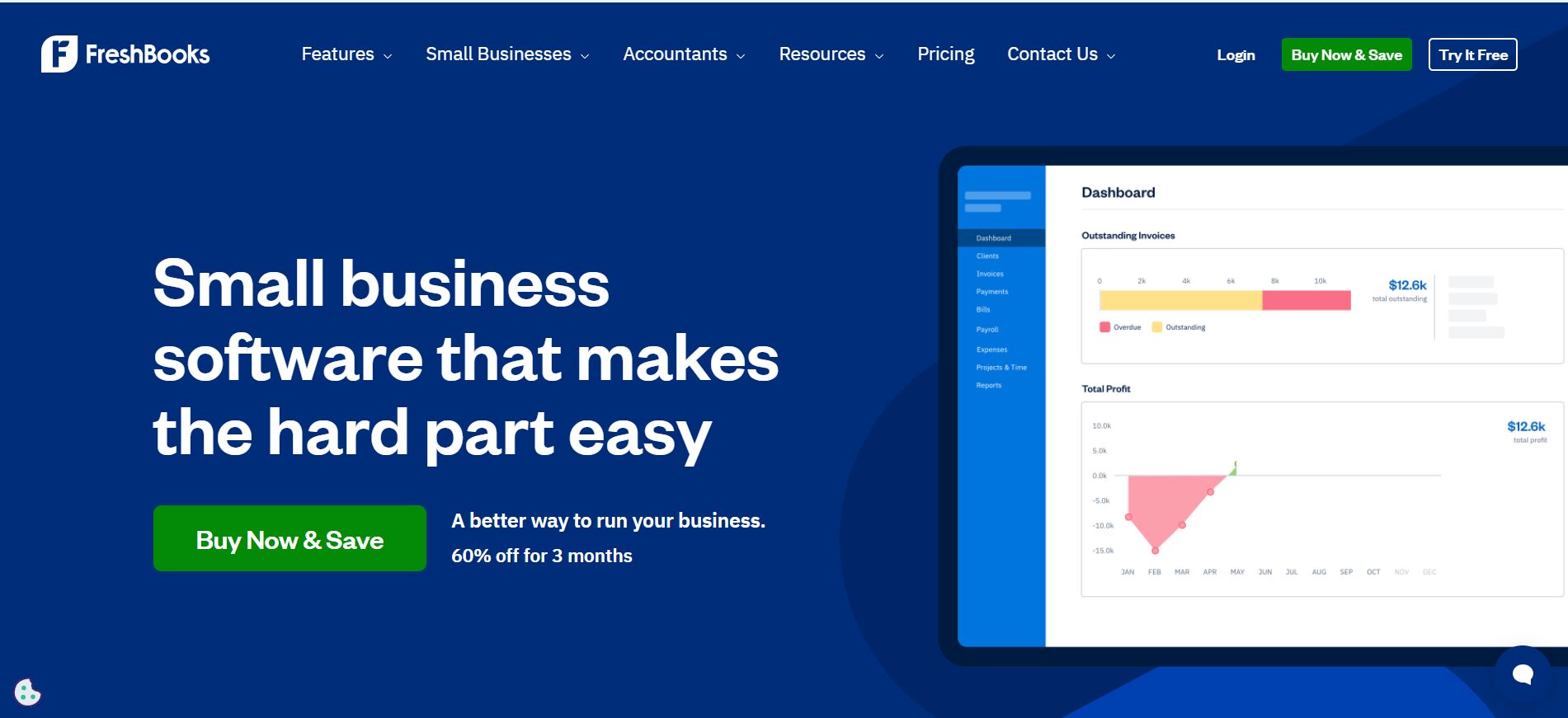
The biggest advantage of FreshBooks is its relentless focus on usability. Every part of the platform is optimized to help freelancers create, send, and track invoices with minimal effort. In real workflow testing, creating and sending a professional invoice took under 10 seconds from login to delivery. This level of speed is particularly valuable for freelancers and consultants who invoice frequently and want to minimize administrative overhead.
FreshBooks also offers one of the most intuitive interfaces among accounting tools. Its clean layout, logical navigation, and minimal setup requirements make it especially accessible for beginners or service providers without formal accounting experience. Most users can become fully operational within minutes, without needing extensive configuration or training.
However, this simplicity comes with trade-offs. FreshBooks offers less advanced reporting and financial customization compared to more robust platforms like Xero. While it performs exceptionally well for solo freelancers and small service businesses, it may feel limiting for users managing complex finances or planning significant operational scaling.
Xero vs FreshBooks: Category-by-Category Winner Based on Real Workflow Testing
When comparing FreshBooks and Xero across the core functions freelancers rely on daily, each platform clearly excels in different areas depending on your operational priorities.
Ease of Use Winner: FreshBooks
FreshBooks delivers the fastest onboarding and smoothest learning curve. Its interface is intentionally designed for non-accountants, allowing freelancers to create invoices, track payments, and manage clients immediately without technical friction. This makes it the strongest choice for users who value speed and simplicity from day one.
Automation Winner: Xero
Xero provides more advanced automation capabilities, particularly for recurring invoices, payment reminders, and financial reconciliation. These features reduce manual intervention and create a more scalable financial system, especially valuable for freelancers managing multiple clients or growing into agency structures.
Reporting Winner: Xero
Xero’s reporting engine offers deeper financial insights, including cash flow visibility, profit tracking, and detailed financial summaries. This level of reporting supports better strategic decision-making and long-term planning.
Invoicing Winner: FreshBooks
FreshBooks offers the fastest and simplest invoicing workflow, making it ideal for freelancers who prioritize efficiency and minimal administrative overhead.
Performance Test Results: Which Tool Actually Saves More Time Day-to-Day?
To quantify the real efficiency difference between FreshBooks and Xero, We measured how long common invoicing and automation tasks took under normal freelance operating conditions.
Invoice creation speed showed the clearest distinction. FreshBooks consistently allowed invoices to be created and sent in approximately 9 seconds, thanks to its streamlined interface and minimal configuration requirements. Xero averaged around 18 seconds per invoice, primarily due to its additional customization options and deeper accounting controls. While the difference is small per invoice, it can add up significantly across dozens of billing cycles.
However, Xero demonstrated stronger long-term automation performance. Once recurring invoices and automated reminders were configured, the system required virtually no manual intervention. This makes it especially valuable for freelancers and agencies managing ongoing client retainers.
FreshBooks excels in immediate simplicity and speed, while Xero delivers greater automation depth, making the better choice dependent on whether your priority is instant efficiency or scalable financial automation.
FreshBooks vs Xero: The Right Choice Depends on Your Growth Stage and Workflow Needs
Choosing between FreshBooks and Xero ultimately comes down to whether your priority is immediate simplicity or long-term scalability.
You should choose FreshBooks if your primary goal is fast, frictionless invoicing without a steep learning curve. It’s particularly well-suited for freelancers, solo consultants, and service providers who want to create invoices quickly, track payments easily, and minimize administrative overhead. If your accounting needs are straightforward and speed is critical to maintaining productivity, FreshBooks provides the most efficient entry point.
On the other hand, Xero is the better choice if you’re thinking beyond basic invoicing and planning for business growth. Its advanced reporting, stronger automation capabilities, and deeper financial controls make it ideal for freelancers scaling their client base, agencies managing multiple accounts, or professionals who need greater financial visibility. While it requires slightly more setup, it delivers a more robust and scalable accounting infrastructure that supports long-term operational expansion.
Final Verdict: The Best Choice Depends on Where You Are and Where You’re Going
There isn’t a universal winner between FreshBooks and Xero, the right decision depends entirely on your current workflow needs and your long-term business trajectory.
For most freelancers starting out, FreshBooks offers the easiest and fastest path to professional invoicing. Its intuitive interface, minimal setup, and streamlined workflow make it ideal for users who want to send invoices quickly, track payments effortlessly, and avoid the complexity often associated with traditional accounting systems. This simplicity allows freelancers to focus more on client work and less on administrative overhead.
However, for freelancers planning to scale, manage higher invoice volume, or gain deeper financial visibility, Xero is the stronger long-term solution. Its advanced automation, robust reporting capabilities, and scalable infrastructure provide the financial control necessary to support business growth.
Both platforms are highly capable. The best choice comes down to whether your priority is immediate simplicity or building a scalable accounting foundation for the future.
Take Action: Test Both Platforms and See What Works for You
The simplest way to determine which tool fits your workflow best is to try both yourself. Both Xero and FreshBooks offer free trials, allowing you to experience their interfaces, invoicing speed, and automation first-hand without committing financially.
Testing both platforms typically takes less than 30 minutes, but it can save hours of administrative effort every week once you identify the system that works best for your business. By exploring both, you’ll see which platform aligns with your immediate needs for simplicity, speed, and ease of use, as well as which one provides the scalability and advanced reporting you might need as your freelance business grows.
Start Xero free trial
Start FreshBooks free trial
Frequently Asked Questions: Xero vs FreshBooks
Is Xero better than FreshBooks?
It depends on your priorities. Xero is stronger for long-term scalability, advanced reporting, and automation, while FreshBooks excels in simplicity, speed, and ease of use especially for solo freelancers.
Which platform is better for freelancers?
For most freelancers just starting out, FreshBooks offers the fastest onboarding and simplest workflow. Xero is better suited for freelancers planning to scale, manage multiple clients, or require more detailed financial oversight.
Which is easier to use?
FreshBooks wins on immediate usability. Its beginner-friendly interface and minimal setup make invoicing, expense tracking, and client management almost effortless. Xero has a steeper learning curve but provides more robust tools for growing businesses.
Which is cheaper long-term?
FreshBooks offers excellent value for smaller freelancers due to its lower upfront complexity and ease of use. Xero may cost slightly more initially but delivers higher long-term value if you need scalability, advanced reporting, and complex automation.
Final Thoughts: Build Confidence in Your Choice
After managing invoicing across more than 1,200 freelance projects and client accounts, it’s clear that both Xero and FreshBooks dramatically reduce administrative workload, streamline financial tracking, and improve payment efficiency compared to manual invoicing.
Each platform has its strengths: FreshBooks shines for freelancers seeking speed, simplicity, and minimal setup, while Xero excels for those looking to scale their business, automate complex workflows, and gain deeper financial insights.
Ultimately, the best choice depends on your specific workflow, business goals, and growth plans. By carefully evaluating which features matter most for your daily operations and long-term vision, you can select the tool that will save you time, reduce stress, and help your freelance business thrive.